This week, I completed the Stanford Machine Learning Specialization on Coursera. A course I’ve wanted to take for a long time. While I’ve led many tech projects and managed engineering teams, I’ve always believed that real leadership comes with staying curious, adaptable, and ahead of the curve. For me, diving into AI wasn’t just about expanding my skillset — it was about preparing for the future of tech leadership.
I’ve always been driven by systems thinking — connecting dots between users, products, and technology. As AI continues to transform how decisions are made and how products are built, I knew I needed to go deeper. Not just to understand the tech behind the buzzwords, but to be able to build strategies, lead teams, and make decisions that are grounded in real understanding.
This course laid a strong theoretical foundation, and for the first time in a while, I felt both like a student again and a future architect of what’s next.
What I Learned (and Why It Matters)
Some of the core ideas I took away:
Supervised vs. Unsupervised Learning: Not just as algorithms, but how to choose the right approach when optimizing for clarity vs discovery.
Linear Regression & Logistic Regression: Simple doesn’t mean outdated. These models still hold powerful explanatory value in many real-world use cases.
Loss Functions & Gradient Descent: The mathematical engine behind machine learning — and also a perfect metaphor for iterative improvement in teams and product decisions.
Bias-Variance Tradeoff: A concept I now think about beyond models, even in leadership and hiring decisions.
The way these lessons connected back to how I’ve approached problems as a tech leader gave me new language and new tools.
What Challenged Me the Most
Revisiting foundational math concepts (hello, multivariable calculus!) wasn’t easy. I had to pace myself and give extra time to truly understand how gradient descent works from the inside out. But it felt worth it — and reminded me of something I used to tell junior developers: “The hard stuff is often the real stuff.”
What’s Next
Now that I’ve got the theory in place, I’m rolling up my sleeves. I’ve started a hands-on Udemy course focused on training and deploying ML models. My goal is to fill my GitHub with real, reusable projects. Models that businesses can apply to personalization, churn prediction, fraud detection, and more.
I’ve also enrolled in a 9-week course from Illinois Tech that explores AI in a business context, looking at AI through the lens of strategic decision-making, operations, and digital transformation. This aligns perfectly with where I want to go: leading engineering teams and shaping products that use AI responsibly and smartly.
Looking Ahead
As I pivot toward more senior tech leadership roles — ideally as an Engineering Manager or even Head of Engineering — I want to combine my management experience with AI strategy. The tech industry needs more leaders who understand both people and data, not just one or the other.
This isn’t just about getting a better job. It’s about becoming the kind of leader I wish I’d had more of early in my career: someone who builds bridges between business and engineering, between innovation and responsibility.
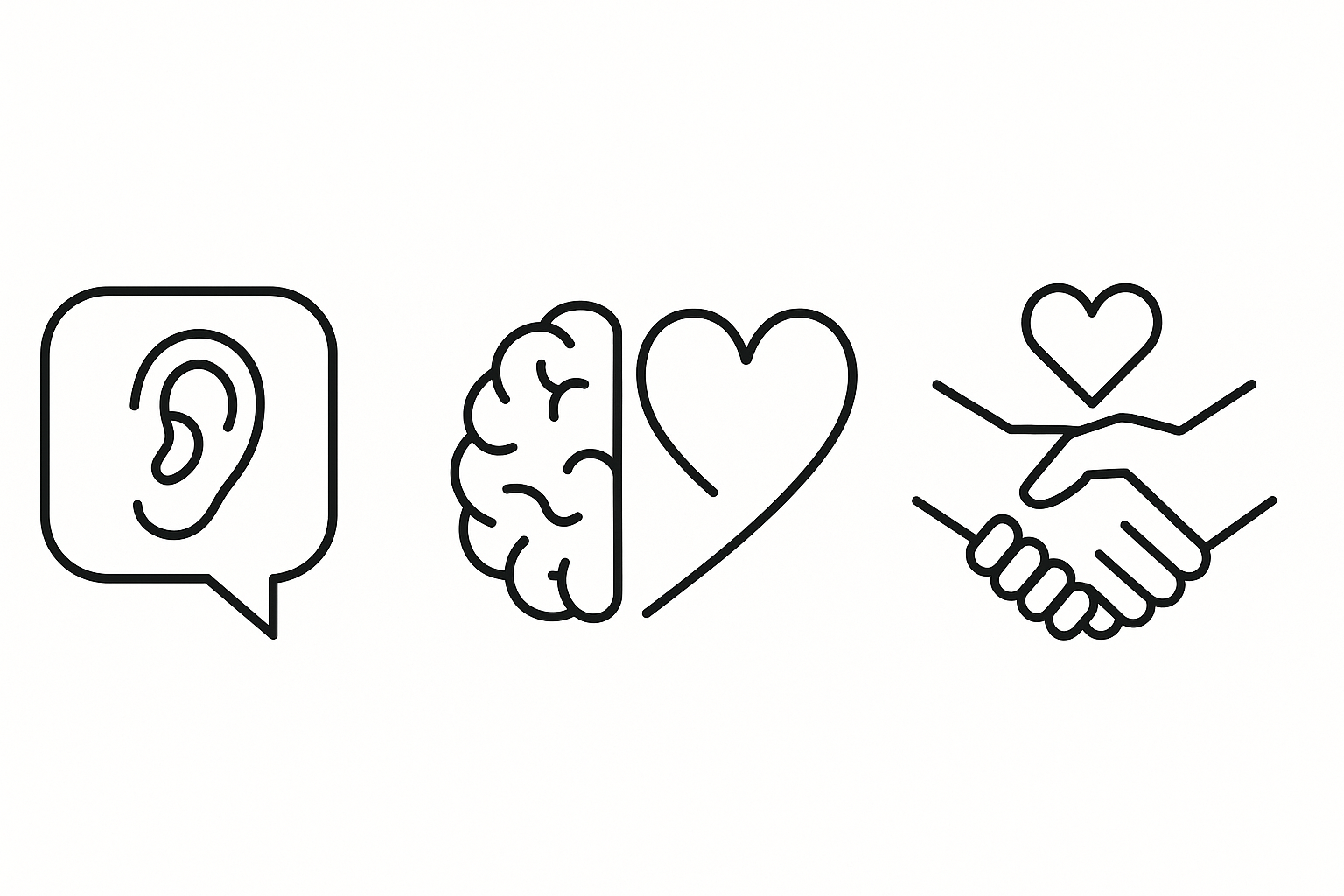
In the race to deliver faster code, meet aggressive deadlines, and scale products globally, technology teams risk overlooking the human element that underpins sustainable success. Empathy, the ability to understand and share another person’s feelings, may feel at odds with data-driven cultures, yet it is precisely this human skill that elevates technical leadership from good to exceptional. By integrating empathy into every layer of decision-making, leaders can foster trust, ignite creativity, and build resilient organizations that thrive through change.
Why Empathy Matters in Tech
Bridging Communication Gaps
Technical experts and business stakeholders often speak different languages. A leader who listens empathetically can translate complex engineering constraints into business-friendly narratives, ensuring alignment on priorities and fostering mutual respect.
Fostering Psychological Safety
When team members feel heard and valued, they are more likely to voice concerns, share innovative ideas, and report issues early, critical behaviors for avoiding costly mistakes and driving continuous improvement.
Encouraging Diversity of Thought
Empathetic environments welcome diverse perspectives. By seeking to understand each individual’s background and motivations, leaders can assemble teams that innovate faster, solve problems more creatively, and adapt to shifting markets.
The Empathetic Leader’s Toolkit
Active Listening
I’ve always said that active listening is my strongest competence, and people are often unexpectedly surprised when I mention it. Yet for me, it isn’t just a feel-good skill; it’s a leadership superpower that keeps teams aligned and projects on track. True active listening goes beyond passively hearing words: it means fully engaging with the speaker’s intent, concerns, and emotions.
When a teammate shares a roadblock or a new idea, I make it a point to paraphrase what I’ve heard—“So what I’m understanding is…”—and then confirm back, “Is that right?” This simple two-step ritual does two critical things:
Saves Time Clearing up misunderstandings in real time means we don’t cycle through revisions later on.
Reduces Misalignment In fast-paced development, even small misinterpretations can blow weeks of work off course. By checking in immediately, we catch assumptions before they solidify.
Over time, this habit has created a ripple effect: colleagues feel heard and valued, communication tightens, and we spot issues earlier. As a leader and manager, you can’t afford to merely listen—you must ensure you really understand. Active listening, done well, turns every conversation into an opportunity for clarity and collaboration.
Emotional Intelligence (EQ)
For me, emotional intelligence isn’t just about knowing myself—it’s also about deeply tuning into my team’s dynamics. Over the years, I’ve learned to recognize my own triggers and manage them effectively, especially during critical moments. Knowing when and how my emotional responses could affect my decisions has helped me remain balanced under pressure and make clearer, calmer choices.
But leadership EQ extends beyond the self. It’s essential to continuously observe team interactions and quickly notice when someone might be disengaged, overwhelmed, or silently struggling. I’ve made it a habit to proactively step in and address these situations before they escalate into bigger issues. Whether it’s a quiet team member who suddenly withdraws from discussions or a usually enthusiastic developer who seems unusually stressed, recognizing subtle changes allows me to intervene early, providing support or adjusting workloads as necessary.
Being proactive about my team’s morale is one of my core values as a leader. I’ve learned from experience that high-performing teams aren’t just technically skilled—they’re also emotionally resilient, cohesive, and supported. By actively managing both my own emotional responses and staying attuned to the emotional well-being of my team, I’ve created environments where everyone feels seen, understood, and empowered to perform at their best.
Compassionate Feedback
Giving feedback is an essential part of leadership, and for me, it’s always rooted in compassion. Constructive criticism is valuable, but it must be delivered in a way that doesn’t diminish someone’s self-esteem or sense of worth. As a leader, I keep in mind that we’re all evolving daily, myself included. Recognizing this shared growth helps frame feedback as something supportive, not punitive.
One of my core practices is highlighting the most important strengths and contributions my teammates bring to the table first. When I celebrate what people do well, it establishes trust and confidence, paving a smoother path when there’s room for improvement. My team knows me for being openly expressive with positive feedback, it’s immediate, genuine, and consistent. I ensure no one feels praise-deprived, because sincere recognition reinforces their value and contributions.
Because my team is accustomed to receiving appreciation, when I do need to deliver feedback about areas needing growth, it never feels harsh or personal. They already understand their worth; what I’m communicating is simply an adjustment, a slight improvement toward our common goals. By creating this foundation of positive reinforcement, compassionate feedback becomes an empowering tool rather than something intimidating, strengthening both individual confidence and overall team performance.
Building an Empathy-Driven Culture
Recruitment: Hiring for Heart and Head
Whenever I’m involved in a hiring process, I pay close attention not only to technical abilities but also to the overall vibe and emotional alignment a candidate brings to the team. Technical brilliance matters, of course, but it’s equally important to ensure that new team members harmonize with the existing team dynamic.
From experience, I’ve learned that even exceptionally skilled candidates might struggle if their personal style or emotional approach doesn’t mesh well with our team’s established culture. A simple mismatch in communication style or values can create friction, disrupt harmony, or lead to larger team challenges down the line.
That’s why I prioritize emotional fit and team synergy as critical factors when evaluating potential hires. Technical skills can often be learned or refined on the job, but emotional intelligence, positive attitude, and cultural compatibility are more deeply rooted qualities.
By consciously hiring for heart as much as for the head, I ensure that new teammates don’t just enhance our skill set, they strengthen our entire team’s emotional cohesion, collaboration, and empathy-driven culture.
Onboarding: Setting the Tone Early
From day one, it’s essential to engage newcomers actively and offer them emotional support as they find their footing. I’ve always believed that effective onboarding isn’t just about showing new team members how things work, it’s about creating an immediate sense of belonging, comfort, and clarity.
Providing frequent, thoughtful feedback early on helps newcomers understand their progress and reassures them they’re moving in the right direction. Establishing this comfort and trust from the very start lays the foundation for strong, long-term collaboration.
I remember several instances where people specifically joined the company because they wanted to be part of my team and experience my leadership. This recognition was both humbling and motivating—it pushed me to ensure their onboarding experience was welcoming, supportive, and inspiring. Knowing that they chose to join specifically because of my leadership, set high expectations, and challenged me to continuously uphold my standards.
By setting a positive, empathetic tone early in the onboarding process, I’ve seen firsthand how quickly new team members become productive, confident, and deeply committed—ultimately strengthening the team’s overall cohesion and effectiveness.
Continuous Learning: Embedding Empathy Practice
I believe a good leader sets the tone, the team creates the vibe, and together, they thrive and grow. To maintain a healthy standard of collaboration, compassion, and empathy, it’s essential to embed these practices consistently into our daily routines, not just during special training sessions or one-time workshops.
In my teams, I always make space for non-technical activities that strengthen our trust and emotional bonds. Activities like casual check-ins, team-building events, or simply grabbing lunch together regularly help foster genuine relationships that transcend purely professional interactions. When team members understand each other on a personal level, they naturally become more empathetic, patient, and supportive collaborators.
This continuous practice of empathy doesn’t happen accidentally; it must be intentionally nurtured. Over time, I’ve observed that teams who regularly invest in strengthening their emotional connections perform better, communicate openly, and handle challenges more effectively.
By actively embedding empathy and compassion into our team’s everyday interactions, I’ve created environments where growth and learning are ongoing, not just in skills and technology, but in emotional intelligence and human connection as well.
Overcoming Challenges
Balancing Empathy with Accountability
My team always knows two things about me: first, that I’m quick to recognize their achievements and always ready to support them in difficult moments; and second, that I hold everyone, including myself, accountable to deliver on our promises. Empathy and accountability aren’t opposing forces. In fact, they complement each other powerfully.
There’s sometimes a misconception that empathetic leaders are overly soft or hesitant to push people to meet commitments. But that’s not the case. Being empathetic doesn’t mean you become easily swayed or avoid putting pressure where it’s needed. Rather, empathy shapes how you maintain accountability.
Because I invest continuously in building trust and mutual respect, when it’s time to ask difficult questions—“Where are we on this? What happened to the agreed timeline?”—my team never feels attacked or undervalued. Instead, they recognize these moments as a necessary part of achieving our shared goals. Accountability conversations become less about pointing fingers and more about finding solutions together.
Ultimately, empathy allows me to hold people accountable without sacrificing the supportive atmosphere we’ve cultivated. My team knows that my expectations come from a place of genuine care and commitment to our collective success. This balance enables everyone to feel valued, respected, and motivated to deliver their best work.
Preventing Empathy Fatigue
Even the strongest and most empathetic leaders can become emotionally exhausted. We’re all human, after all, and everyone has tough days or moments when empathy feels harder than usual. In my experience, recognizing and managing this “empathy fatigue” is crucial for sustainable leadership.
One strategy that has helped me immensely is cultivating a supportive network within my team. Having teammates who can temporarily step into the emotional labor role when I’m feeling drained has been invaluable. It not only helps maintain team morale but also empowers others to grow into empathetic leaders themselves.
Outside my immediate team, I’ve found it equally important to have peers or mentors with whom I can share the everyday challenges and struggles of leadership. These relationships allow me to express vulnerability, recharge emotionally, and gain perspective. Being able to openly discuss experiences and receive support from trusted colleagues ensures I return to my team refreshed and ready to lead effectively again.
Acknowledging empathy fatigue isn’t a weakness, it’s self-awareness in action. By proactively managing emotional burnout and leaning on trusted support networks, I can sustain my ability to lead with empathy, compassion, and clarity over the long term.
Conclusion
Empathy is not a soft add-on. It is a strategic advantage in an industry defined by rapid change. By investing in empathetic leadership, tech organizations unlock deeper collaboration, drive innovation, and cultivate loyal teams.
My journey started at the age of 15, when I was accepted into the Computer Academy, an institution that typically only admitted students aged 16 and up. They made an exception for me, and it was there that my passion for technology truly began to take shape. Initially, I had aspirations to be a Web Designer, drawn to the creative side of the tech world. However, after my first semester, I changed my major to Software Development. My programming teacher, with her inspiring approach to teaching, had a profound influence on me. The way she presented information and challenges opened my eyes to the potential of software development as a means to contribute more significantly to the tech world. I realized I could do much more than design static web pages—I could build dynamic, interactive, and functional systems.
Academic Success
Throughout my time at the academy, I was one of the top students in my class. I found myself constantly helping my classmates with difficult concepts and sharing my knowledge. Even students from other groups came to me for guidance, and I became well-respected among my peers. The principal of the academy even expressed a strong belief in my potential as a future specialist, which further fueled my motivation to excel.
Technological Focus
At the time, JavaScript technologies were seen as little more than fancy add-ons to HTML, so my primary focus was on C++ and C#. These languages formed the foundation of my programming knowledge, and I built on that as I grew in my career.
Freelancing and Digital Transformation
After graduating, I decided to dive into the real world by becoming a freelance web developer. I worked with various businesses, helping them embrace the digital world and transform their operations online. My role was crucial in guiding these companies through the digital transformation process, whether it was by creating their first website or developing more complex web applications that streamlined their business processes. This experience gave me invaluable exposure to the diverse needs of businesses and helped me understand how technology can drive growth and innovation.
The Shift
The Realization of Leadership Potential
As I continued working with clients, I found myself not just coding but also interacting with business leaders and stakeholders. This exposure made me realize how critical it was to understand the bigger picture—not just the technical side but also the business needs, challenges, and strategies. I saw how I could contribute more by helping teams collaborate more effectively, guiding them through technical challenges, and aligning their work with business goals. It was at that point that I recognized that leadership was something I could do, and it wasn’t just about being the best coder in the room; it was about empowering others to achieve success.
Pursuing an MSc in IT, Major in Management and Leadership
To gain a deeper understanding of leadership, I decided to pursue an MSc in IT, specializing in management and leadership. During those three years of studying, I began to shift my focus from simply developing software to developing people. My academic journey opened my eyes to how much more I could contribute not only through my technical skills but also as a leader. I dedicated my thesis to ‘Management of Virtual Teams in Startup Environments,’ a topic that I found both challenging and rewarding. This research emphasized that, in today’s fast-paced tech environment, soft skills—such as communication, empathy, and conflict resolution—are the key ingredients for successful leadership, particularly in distributed teams.
The Challenges
Letting Go of Technical Work
One of the toughest challenges was letting go of the technical work that had been the core of my career. As a leader, I had to transition from being a hands-on engineer to overseeing the work of others, providing guidance and making high-level decisions that would steer the direction of the projects. This shift wasn’t always easy. I had to learn to trust my team and empower them to make decisions on their own, knowing that I couldn’t (and shouldn’t) be involved in every detail.
Managing People, Not Just Projects
Another challenge was navigating the dynamics of managing people. Being a leader meant that I had to juggle personalities, motivations, and expectations. Every team member had different needs, and understanding how to motivate, mentor, and guide them became just as important as the technical aspects of the job.
Overcoming Imposter Syndrome
Like many new leaders, I struggled with imposter syndrome. I questioned whether I was truly capable of leading teams effectively. But with time, I learned to focus on my strengths, trust in my experiences, and embrace my leadership role.
The Tech Leadership Mindset
Empowering Others to Lead
As I evolved into a leadership role, I realized that being a great leader isn’t about having all the answers. It’s about empowering others to come up with their solutions. My job became more about mentoring my team and providing them with the resources and confidence they needed to thrive.
Big Picture Thinking
I began seeing the bigger picture—how the technical work we were doing fit into the broader goals of the business. My focus shifted from just the immediate technical tasks to aligning the team’s work with the company’s strategic goals. This shift has been one of the most rewarding aspects of my leadership journey.
Key Lessons Learned in Leadership
Effective Communication
One of the most important lessons I’ve learned as a leader is the power of communication. Being transparent, setting clear expectations, and providing regular feedback have become central to my leadership style. I’ve learned to listen more, not just to solve problems but to understand what my team members are going through.
Empathy and Emotional Intelligence
Empathy has become one of the cornerstones of my leadership. Understanding my team’s emotions, frustrations, and aspirations has helped me connect with them on a deeper level. This emotional intelligence has allowed me to build trust, improve collaboration, and ultimately drive better results.
Decision-Making
Leadership has taught me that decision-making is an ongoing process. It’s not always about making the right choice immediately but about learning from each decision and course-correcting along the way. I’ve learned to trust my instincts, but I’ve also come to value feedback from my team to inform my decisions.
Looking Back and Forward
Reflecting on the Journey
Looking back on my journey from engineer to leader, I am grateful for the growth and experiences that have shaped me. From my early days as a freelance web developer to leading teams through complex technical challenges, each step has been a learning experience that has contributed to the leader I am today.
Looking Forward
I’m excited for the future of leadership in tech, as the industry continues to evolve. I know there’s always more to learn, and I am committed to growing as a leader—continuing to empower my teams, embrace new challenges, and help drive the future of technology.